
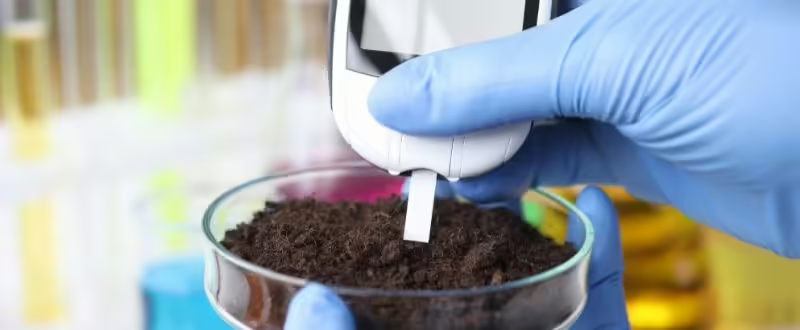
Soil injection is all fixing weak ground under concrete or foundations. We use a two-part polyurethane that we push into the soil with special equipment. Once it’s in, the material expands, fills empty spaces, and hardens. That gives the slab or foundation a stronger base. We’ve been on plenty of job sites where this process saved property owners from tearing out whole slabs. It’s quick, clean, and it gets the job done right.
How Soil Injection Works in the Ground
Think of soil injection like giving the ground a backbone. The foam goes in soft through a narrow injection probe or injection needle, spreads around roots, rocks, and loose dirt, then expands to fill voids. As it expands, it grabs loose soil and packs it together. Then it sets up hard and stable. Once cured, that ground isn’t shifting much anymore. It holds weight, resists more movement, and keeps the slab supported.
A tip here: we always watch how the foam reacts. Different soils take it in differently. Clay soils swell and contract, sandy soils let it flow more. Expansive soils in Houston make things even trickier because they absorb water fast then dry out and crack. That’s why an experienced crew matters. You want a team that knows how the ground behaves when the foam goes in.
Common Causes of Soil Failure
Soil doesn’t always stay where it should. Here are a few big reasons it fails:
-
Expansive clay: In Houston and nearby, clay soils swell when wet and shrink when dry. We’ve seen whole driveways sink from this cycle.
-
Poor drainage: Water pooling under a slab will wash soil out and leave voids. On one job site, a gutter downspout was the culprit. It emptied right under a patio instead of being set to divert underground water away.
-
Erosion: Heavy rain or underground water leaks move soil away slowly. You don’t see it until the slab starts dropping.
-
Heavy loads: Warehouses, gas stations, and loading docks take a beating. Constant traffic compacts soil mass unevenly and creates weak spots.
Once the ground shifts or voids form, slabs don’t have proper support. That’s when soil injection comes in as the best soil stabilization option.
Step by Step Soil Injection
Here’s how we usually run it:
-
Site Check: Before drilling, we look at the slab, the cracks, and how much it dropped. Every site is different. We also check drainage, soil type, soil quality, and nearby loads. Sometimes we’re working in a small area, other times it’s the entire area under a big slab.
-
Drill and Mark: We drill small holes where the foam needs to go. Placement matters here. Holes are about the size of a coin, small but enough for us to hit the weak spots in the underlying soils.
-
Inject Foam: The pump pushes the two-part polyurethane down. The injection process uses controlled high pressure to move the material into voids. It reacts, the foam expands, fills voids, and starts lifting. We monitor pressure gauges, laser levels, and listen for shifts. That’s how we know the lift is steady and not overdone.
-
Set and Hardening: After expansion, it cures fast. Within minutes you can see the slab solid and supported. We double-check with measuring tools and confirm the area is safe.
-
Final Check: We patch the drill holes, clean the site, and walk the property owner through what was done.
Why Soil Injection Beats Other Fixes
Some contractors still use old slurry grout or chemical injection methods. That mix is heavy and can sink again. Foam is light, waterproof, and it bonds with the soil mass. Less stress, longer results.
When You Might Need Soil Injection
If you’ve got settled concrete, trip hazards in a sidewalk, or even warehouse floors dropping from voids under them, soil injection can bring them back. For severely cracked slabs, replacement might be the only option, but in most cases this process works. Property owners save money and skip the headache of pouring new concrete.
Soil stabilization also works well for new pool decks and areas with ongoing construction work where foundations shift. It stabilizes the ground before bigger foundation problems show up.
Maintenance After Soil Injection
Once the slab is lifted, you’ll want to keep it that way. A few simple things help:
- Watch your drainage. Make sure downspouts and sprinklers aren’t washing soil away.
- Seal surface cracks so water can’t sneak in.
- Keep heavy equipment or vehicles off areas that weren’t designed for that weight.
- Have the slab inspected if you see new movement. It’s easier to fix early.
Call Leveled Concrete for Polyurethane Injection Repair
Soil injection is strong, long lasting, and doesn’t create a big mess. Minimal disruption, small drill holes, quick cure time. If you need concrete repair or foundation soil stabilization, call Leveled Concrete. We’ll walk you through the injection process and show you how foam expands to fix the problem. We also handle other jobs like concrete raising, driveway repair, pool deck repair, and other concrete lifting services for both homes and businesses.