
"*" indicates required fields
Our team works on concrete patios every day, and most of them deal with the same issues. Concrete slabs settle, concrete cracks spread, soil washes out, and the entire patio starts to feel uneven. Many homeowners see a few cracks and think the patio is fine, but that’s often how a deteriorating concrete patio begins. Any concrete patio needs a solid foundation under it, and once the soil shifts, the slab follows.
We walk the existing concrete patio, clear loose debris, and point out what’s happening with the concrete surfaces. Our crew knows how concrete slabs react to ground shifting, tree roots, built up dirt, freeze thaw cycles, and too much water causing damage. We handle cracked concrete, sunken concrete, rough joints, and patios that start drifting toward the house.
When something isn’t clear, we slow down and explain it so homeowners know how cracks form instead of guessing. We want you to see the first step in fixing the patio, not wonder what’s going on underneath.
Where We Work
We repair concrete patios and porches across the Greater Houston area:
If you want our crew to check your existing patio and explain what’s happening under the concrete slab, give us a call. A little work now saves trouble in the long run.
There are several ways to fix a concrete patio, and we stick with methods that keep the yard intact. Most issues come from empty pockets under the slab. Once soil shifts or washes out, the entire patio drops. We fill gaps, seal common concrete cracking, and support the existing surface.

Ready to revitalize your concrete patio and enhance your outdoor living experience? Leveled Concrete is here to turn your vision into reality.
Sunken concrete shows up when open pockets form under the slab. We drill small holes and inject PolyRenewal™ foam. It spreads fast, fills voids, and lifts the slab. It works well when two concrete surfaces drift apart.
Once the foam sets, it doesn’t move. It spreads through tight pockets and firms up the repair area. Most concrete patios can handle normal foot traffic the same day. Learn more >
Concrete cracks form from soil movement, freeze thaw cycles, worn expansion joints, and tree roots pushing under the slab. Our crew pressure washes or uses a concrete cleaner on the repair area, scrapes loose debris and other substances, then fills the cracks with a repair compound. Hairline cracks need a thin layer. Larger cracks need a patching compound.
If the slab has dropped, we lift it first so the repair can adhere properly.
Hollow pockets under the concrete surface cause more sinking later. We fill those pockets so the slab has strong support.
Old expansion joints dry out and let water run down the side of the slab. We dig out loose debris and seal expansion joints with fresh material. A caulking tube and caulk gun help push material deep into the expansion joint so water can’t leak through.
Our tools are simple: pressure wash setups, concrete broom, wire mesh cutters, and sealing tools. Most of this isn’t a DIY project unless you already know how concrete behaves once soil shifts.
Repairing an existing concrete patio saves money because the slab stays in place. Full replacement needs saw cutting, demo work, hauling concrete out, new wire mesh, new forms, new concrete, and curing time. That drives up both labor and material costs.
Lifting the concrete slab avoids nearly all of that. Our team drills small holes, fills pockets, lifts the slab, and seals cracks. The yard stays intact, and you skip hauling fees. Many homeowners choose this because it’s cost effective compared to pouring a new patio.
Repairs take hours. Replacement takes days. After demo, soil prep has to be redone. Then fresh concrete is poured, and you wait for it to dry. Hot days, cold days, or rain stretch the wait even longer.
Our crew avoids all that waiting. No long curing window. No delays getting the space back.
Many patios tie into walkways, concrete slabs, pool decks, or porches. If the concrete broom finish or tint is older, replacing the patio can make everything look mismatched. Repair keeps the existing surface where it belongs.
This also keeps expansion joints and slab edges in place, which helps prevent cracking later.
Replacement brings in heavy equipment, wheelbarrows, and piles of broken slab. That tears up grass, edging, and plants.
Repair avoids that mess. Our crew uses small tools, drilling gear, and injection equipment. No deep ruts and no torn-up yard.
Once the slab is lifted and cracks are sealed, the concrete patio looks cleaner and more even. Low spots disappear, edges align, and the entire patio blends together. Filling voids and sealing joints helps prevent cracking later on.
A repaired patio stays steady because the foam fills everything under it, so the slab doesn’t sag the next time the soil shifts.
If one part of the yard is sinking, there’s a good chance another nearby slab may start drifting too. Our crew can check the entire area.
If you want someone to check the patio, measure the sinking, and talk through what’s going on, our crew can come out for a free inspection. We look at the entire patio, check for voids, washout spots, shifting slabs, and any cracking that needs attention. This inspection helps you see what’s happening under the slab before things get worse.
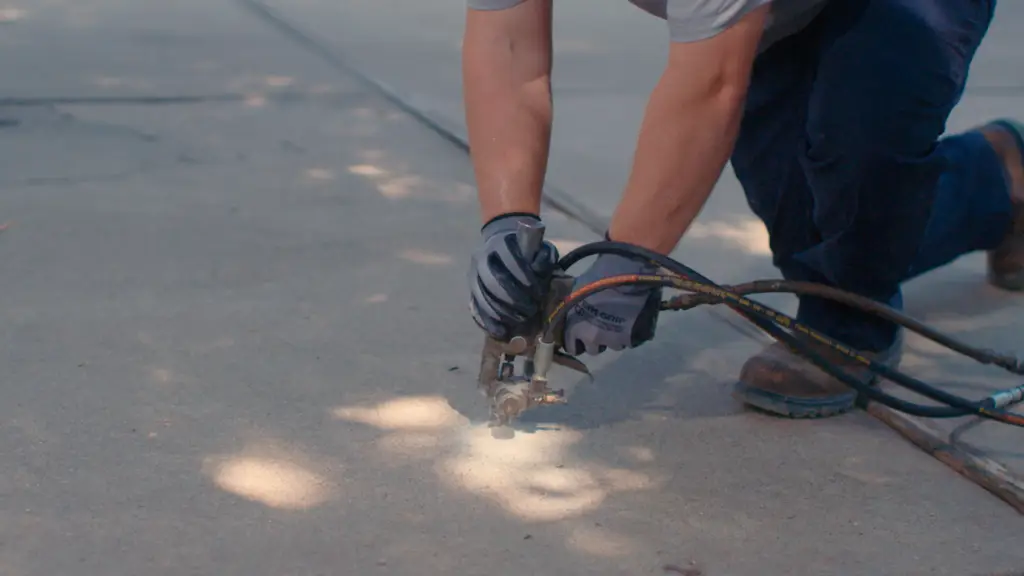
PolyRenewal™ foam doesn’t rot or absorb water. Once it sets, it stays locked in place. It fills pockets tight so the slab doesn’t drift again from soil movement. Patios fixed years back are still steady today. It handles foot traffic without breaking down.
Bigger patios need more injection points. Deep pockets take more foam. Tight access slows things down. Built up dirt, loose debris, worn expansion joints, and tree roots pushing under the slab all need prep work. Each crack needs cleaning and filling, which adds labor.
Yes. Concrete lifting financing helps when the concrete patio or porch needs more work than expected or when the household wants to spread out the cost. Explore financing options here.
Most patios can handle foot traffic within minutes after the foam cures. Furniture usually goes back the same day. Heavy items may need a short wait depending on how much lift was needed.