

Concrete does not last forever. It cracks, sinks, and wears down. Some concrete lasts 50 years while other concrete fails in 10. That all depends on the soil, weather, and load. Fortunately concrete restoration can bring damaged concrete back to strength and use without removing it all.
Do I Need Concrete Restoration Services?
There are three options when concrete breaks down: repair, restore, or replace. Full replacement costs more and takes longer. For smaller or medium problems, restoration works better. Concrete restoration contractors handle cracks, chips, wear, and uneven slabs before they turn into replacements.
Restore vs. Repair
Restoration and repair are not the same. Repairs fix the damage. Restoration brings back the surface and strength. When done correctly, the concrete looks clean and performs well. It works for driveways, pool decks, patios, walkways, and large commercial slabs.
Why Concrete Restoration is Worth it
Restoring concrete saves time and money. It also keeps the area safe. Damaged slabs cause trips and falls. Weak or unsealed concrete lets water reach the soil, leading to erosion and shifting. Fixing that keeps the structure steady and safe to use.
Restoration also adds years to the concrete’s life. Concrete can last 50 to 100 years with proper maintenance. Small cracks and surface damage lead to deeper failures if ignored. Restoration fills voids, seals cracks, and strengthens the base before that happens.
What Causes Concrete Problems
Most concrete problems start in the ground. Concrete repair and restoration crews find these causes most often.
- Soil Expansion/Shrinkage: Clay soil swells when wet and shrinks when dry. That movement shifts the slab and creates cracks.
- Poor Drainage: Water under or around the slab softens the soil. The concrete loses support and drops or tilts.
- Overloading: Heavy trucks or equipment compress the soil. Once the ground is packed down, it cannot hold the same weight again.
- Bad Repairs: Old patch jobs with weak filler or trapped water fail fast and often make the problem worse.
How Concrete Restoration Works
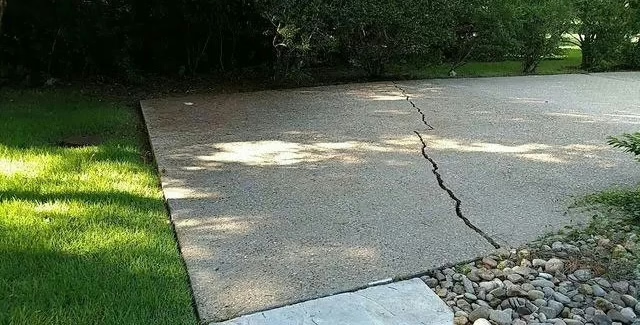
Concrete damage shows up as cracks, uneven slabs, or weak soil underneath. Each issue requires a different fix, but the repair steps often connect. Below are the main methods used in most restoration projects.
1. Epoxy Injection
For cracks that need more than surface filler, epoxy is the go-to. The crack is cleaned out, small ports are drilled, and the epoxy gets pumped in from the bottom up. That keeps air out and helps it bond tightly. It pulls the sides back together and makes the slab solid again. Works best on dry areas that need real structure back.
Smaller cracks get a flexible seal instead, something that keeps out water and dirt. Wider cracks might need epoxy or even hydraulic cement, which swells a bit as it hardens and closes gaps tightly. Sometimes this gets paired with concrete jacking foam work underneath if the soil moved first.
2. Polyurethane Grouting
Used in damp conditions. It’s a two-part mix that reacts fast once it’s injected. It foams up, fills any voids, and seals off water entry. The material stays flexible, so it can handle small soil shifts later. It’s used a lot in damp garages and other spots where moisture always finds a way in.
3. Concrete Raising
For slabs that have sunk or tilted, concrete raising is used. The foam expands under the concrete, fills the space, and lifts it to where it belongs. It’s light and strong, so it doesn’t weigh down weak soil like old mudjacking mix does. The holes drilled for it are small and tidy. Once it cures, the concrete is ready to use (usually that same day). Concrete lifting works great for driveways, patios, and warehouse floors that can’t stay shut down for long.
4. Replacement
Sometimes a slab is too far gone. If it’s crumbled or missing sections, replacement is the only smart move. The old concrete gets broken up and hauled out. Then, new concrete is poured after the base is compacted and drained properly. It takes longer, but it’s the best way to start fresh when nothing else will hold.
When to Call for a Concrete Restoration Inspection
It’s important to call for a concrete restoration inspection if any of these are present:
- Cracks are spreading or widening
- Uneven steps or sidewalks
- Standing water or sinking areas
- Flaking, spalling, or rough concrete
- High energy bills in concrete buildings (may mean insulation loss)
A concrete restoration contractor can determine what is fixable and what needs replacement. Professional concrete restoration companies use tools such as moisture meters, laser measurement, and soil probes to find what is happening below the surface.
Schedule Your Inspection with Leveled Concrete
Leveled Concrete works all over the Greater Houston area, fixing cracked, sinking, and uneven concrete. Our crew uses concrete leveling foam injection along with other repair methods to get concrete back where it belongs fast.
We also offer foundation repair, commercial concrete restoration, and infrastructure repair for bigger jobs. If the concrete around your property has a cracked concrete slab or is starting to sink, give our concrete restoration company a call.
Schedule your inspection with Leveled Concrete and get the job done by people who know concrete inside and out.